

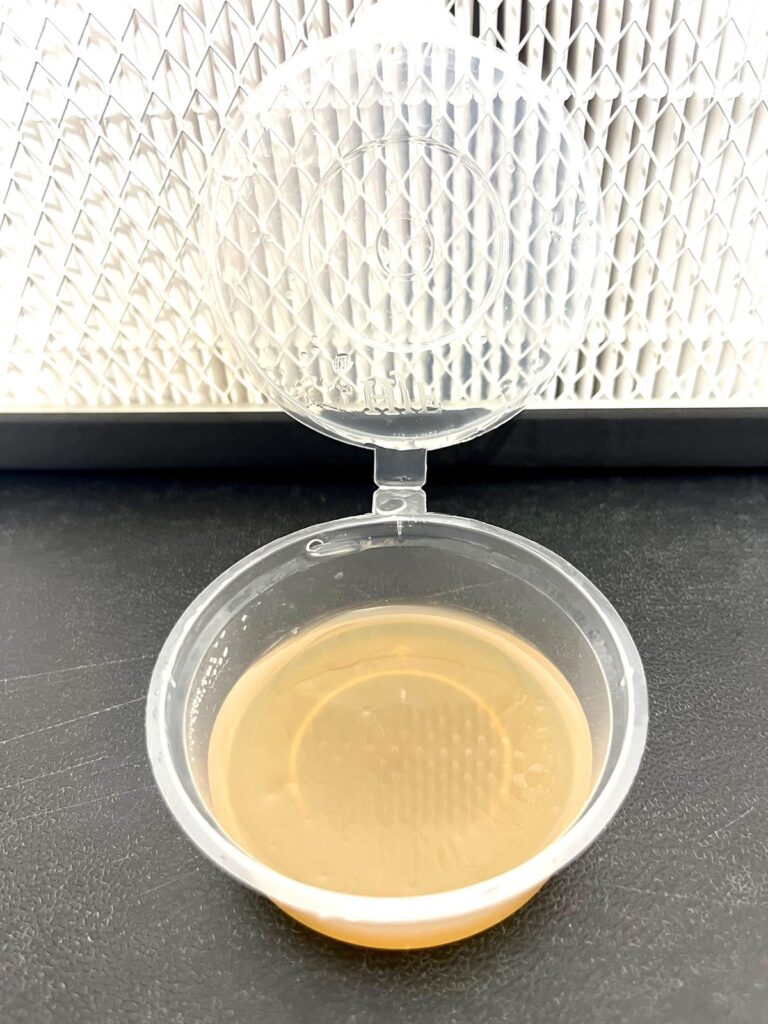
Mushroom agar is an important tool in mycology and mushroom cultivation. It provides a nutrient-rich medium that allows mushroom mycelium to grow in a controlled environment, making it useful for studying fungi, maintaining cultures, and working with culinary and medicinal mushroom species.
One common application is cloning mushrooms with agar. Instead of starting from spores, growers can use a small piece of tissue from a desirable mushroom to preserve its characteristics and establish a new mycelial culture.
What Is Mushroom Agar?
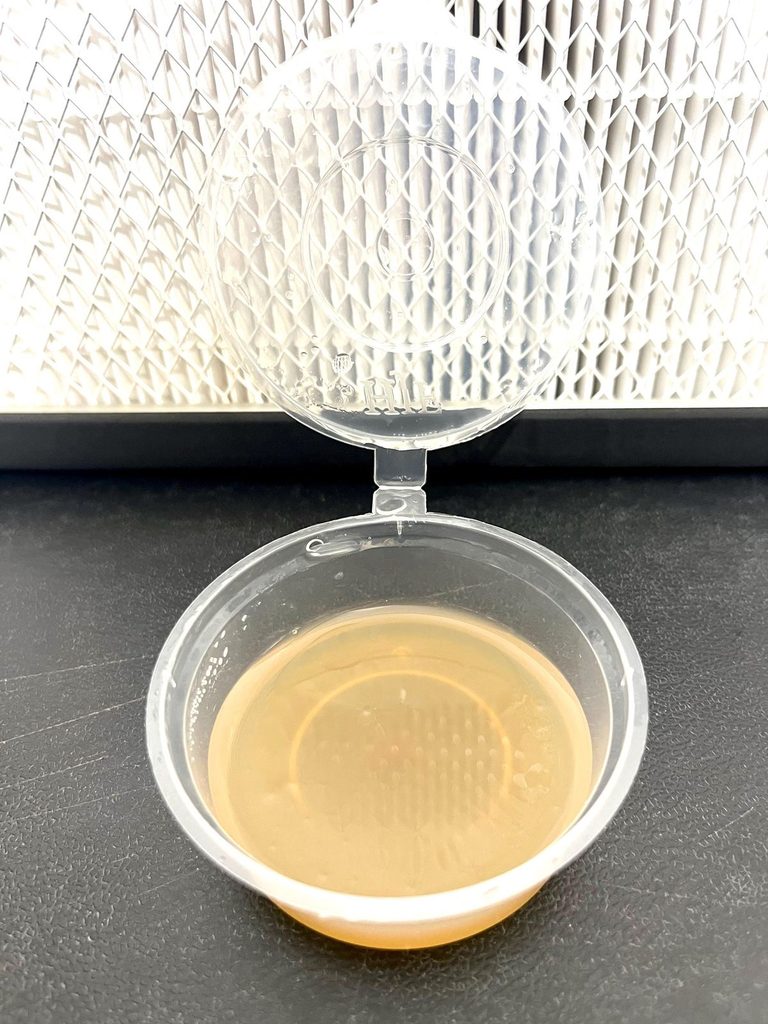
Agar is a gelatinous substance derived from certain types of algae. Because it can form a firm, nutrient-containing surface, agar has long been used in microbiology and mycology to culture microorganisms.
In mushroom cultivation, mushroom agar is typically used as a growth medium for mycelium. A mushroom tissue sample can be introduced to an agar culture, where the mycelium may develop into a visible network.
Mycelium is the vegetative portion of a fungus. It consists of a network of microscopic fungal threads called hyphae and plays an essential role in nutrient absorption and mushroom development.
Once established, a healthy mycelial culture can be studied or maintained as part of a mushroom cultivation workflow.
What Is Mushroom Cloning?
Cloning mushrooms with agar refers to propagating a mushroom culture from tissue rather than starting with spores.
Spores are comparable to seeds in that they contain genetic material capable of producing new fungal growth. However, mushrooms produced from spores can have different genetic characteristics from the original mushroom.
Cloning works differently. Tissue taken from a particular mushroom can be used to establish mycelium that retains the genetic characteristics of that individual mushroom.
This makes cloning particularly useful when working with mushrooms that have desirable characteristics such as:
- Strong fruiting performance
- Desirable appearance
- Flavor and texture
- Consistent growth
- Useful culinary characteristics
- Other traits of interest to mushroom cultivators
Mushroom Agar vs. Spore Cultures
Agar and spores serve different purposes in mycology.
A spore culture begins with spores and can produce genetically varied offspring. An agar culture can be used to isolate and maintain mycelium from a particular fungal culture.
This distinction is one reason mushroom agar is so widely used by hobbyists, researchers, and commercial mushroom growers.
Agar can also provide a useful visual medium for observing mycelial growth and identifying cultures that appear healthy or those that may require further examination.
Why Use Agar for Mushroom Cultivation?
There are several reasons agar has become an important part of modern mushroom cultivation.
Culture Maintenance
Agar can provide a convenient way to maintain fungal cultures for future work.
Mycelium Observation
Because mycelium grows across the surface of an agar medium, it can be easier to observe fungal growth than in some other cultivation mediums.
Culture Selection
Agar can be incorporated into workflows where cultivators are interested in selecting and maintaining particular mushroom cultures.
Consistency
Working from an established culture can provide greater consistency than repeatedly starting from spores.
Mushroom Agar Plates
Mushroom agar plates are commonly associated with petri dishes or other suitable culture containers containing an agar-based growth medium.
The transparent container makes it possible to observe fungal growth without disturbing the culture. This is one reason agar plates are popular among mushroom enthusiasts and mycology laboratories.
When working with fungal cultures, contamination is an important consideration. Unwanted microorganisms can compete with mushroom mycelium and affect the culture. For this reason, cleanliness and appropriate sterile laboratory practices are important components of professional mycology.
The Role of Agar in Mushroom Cultivation
Agar is only one part of a larger mushroom cultivation process. Depending on the species and cultivation system, mushroom growers may work with cultures, spawn, growing substrates, fruiting environments, and other materials.
The advantage of agar is that it provides a controlled environment for working with fungal mycelium before moving on to subsequent stages of cultivation.
For commercial mushroom producers, these techniques can contribute to maintaining consistent cultures and preserving desirable characteristics across cultivation cycles.
Cloning Mushrooms With Agar: What to Know
Although the concept is relatively straightforward, working with mushroom cultures requires attention to detail. Fungi are sensitive organisms, and unwanted microorganisms can easily interfere with a culture.
Successful mycology therefore involves understanding:
- Fungal biology
- Mycelial growth
- Culture cleanliness
- Contamination
- Mushroom species characteristics
- Appropriate growing environments
For beginners, learning the terminology and biology behind mushroom cultivation can make the subject much easier to understand.
Frequently Asked Questions About Mushroom Agar
What is mushroom agar used for?
Mushroom agar is primarily used as a growth medium for fungal mycelium. It can be useful for maintaining cultures, observing mycelial growth, and working with mushroom cultures in mycology.
Can mushrooms be cloned with agar?
Yes. In general mycology, agar can be used to establish a culture from mushroom tissue, allowing cultivators to preserve characteristics from a selected mushroom.
Why use agar instead of spores?
Spores can produce genetically varied offspring, while tissue cloning can preserve the genetic characteristics of the mushroom from which the tissue originated.
What is mycelium?
Mycelium is the vegetative network of a fungus. It is made up of microscopic structures called hyphae and plays a central role in fungal growth and nutrient absorption.
Are agar plates useful for mushroom cultivation?
Yes. Agar plates provide a convenient surface for growing and observing fungal mycelium and are widely used in mycology.
Conclusion
Mushroom agar is a valuable tool for anyone interested in mycology. By providing a controlled medium for fungal mycelium, agar can be used for culture maintenance, observation, and mushroom cloning.
For cultivators working with legal culinary and medicinal mushroom species, understanding agar and mycelial growth provides a useful foundation for learning about mushroom biology and cultivation.
If you’re new to mushroom cultivation, our guide to mushroom-growing terminology is a useful next step for learning the language and concepts used throughout mycology.